By Ma Tian (Consulting Director of Burgeon)
In recent years, an undeniable trend has quietly taken shape in the Chinese retail market: numerous international brands are abandoning their long-term overseas POS suppliers and switching to local Chinese solutions instead.
Burgeon, with over two decades of deep expertise in the retail industry, has successfully helped renowned groups and brands—including Columbia, UGG, Hoka, Lee, ASICS, MLB, PVH, Clarks, Helly Hansen, and UNDEFEATED—complete their POS system localization transitions within the past year or two.
![]()
This phenomenon is by no means accidental. It reflects the new demands that China's unique ecosystem places on retail infrastructure, as well as the rising strength of Chinese technology enterprises.
The Heavy Shackles of Overseas Systems
What international brands feel first is the high total cost of ownership brought by legacy overseas POS systems. Annual software licensing and maintenance fees eat into profit margins. The deeper pain point lies in sluggish responsiveness. System operations and maintenance often depend on distant overseas teams (e.g., in India), where time zone differences and language barriers make everyday issue resolution painfully slow.
![]()
When Chinese stores urgently need support, prolonged waiting often leaves frontline operations in a passive position. Most frustrating of all is stalled innovation. System updates are slow and fail to keep pace with China's rapidly changing business needs. High costs, coupled with inefficient service and a lack of innovation, drive brands to seek better alternatives.

Overseas Systems Struggle with Local Complexity
The level of精细化 operations required in the Chinese retail market far exceeds what traditional overseas POS systems can handle. We observe that these systems often fall short when dealing with O2O omnichannel integration, off-premise sales scenarios, and complex, ever-changing membership and promotion strategies (such as multi-tier discounts or combined points mechanics).
![]()
When brands want to connect with local lifestyle platforms, establish cross-industry alliances, or efficiently redeem government consumption vouchers or Douyin group-buy coupons, these systems are even more stretched. What the Chinese market needs is an operations engine that can adapt and respond nimbly—precisely where local POS solutions excel.

Performance Bottlenecks and Hardware Compatibility Issues
At the technical infrastructure level, overseas POS systems also reveal notable shortcomings in the Chinese market. Performance bottlenecks become especially apparent during peak traffic events like major promotions or member days. More critically, there is insufficient support for locally prevalent hardware devices.
![]()
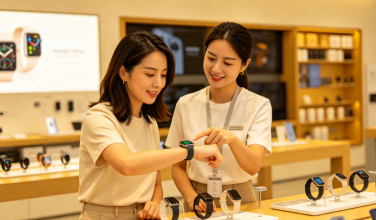
Devices widely adopted in China for customer convenience—such as dual-screen displays for information verification and various self-checkout terminals—often cannot be effectively driven or integrated by overseas systems, forcing brands to invest extra effort in cumbersome adaptations.
Burgeon's smart checkout solution, deployed for international brands, is deeply compatible with mainstream dual-screen displays and self-service devices, significantly improving store efficiency and customer experience.

![]()
Flexibility and Autonomy
Success for international brands in the Chinese market depends on the ability to respond quickly and adapt flexibly to local needs. However, reliance on overseas core systems often means ceding autonomy. Any secondary development requests tailored for the Chinese market—even minor feature optimizations—must be submitted for approval to distant international headquarters. Lengthy processes cause opportunities to slip away while waiting.
Before switching systems, launching even a small promotional module tailored to a Chinese festival could require months of cross-border review—an efficiency drain that brands can ill afford. Local POS systems give brands direct control over their technology platform, making agile innovation possible.

![]()
Chinese "Core" Driving a New Engine for International Brand Localization
The Chinese market is complex, dynamic, and full of vitality. By leveraging deep market understanding, agile responsiveness, and strong technological innovation and ecosystem integration capabilities, local Chinese POS providers are winning widespread trust from international brands.
![]()
As this "core-swapping" trend continues to deepen, international brands will become more flexible, more efficient, and closer to Chinese consumers. Chinese POS systems are emerging as strategic infrastructure for international brands seeking to thrive in the local market.
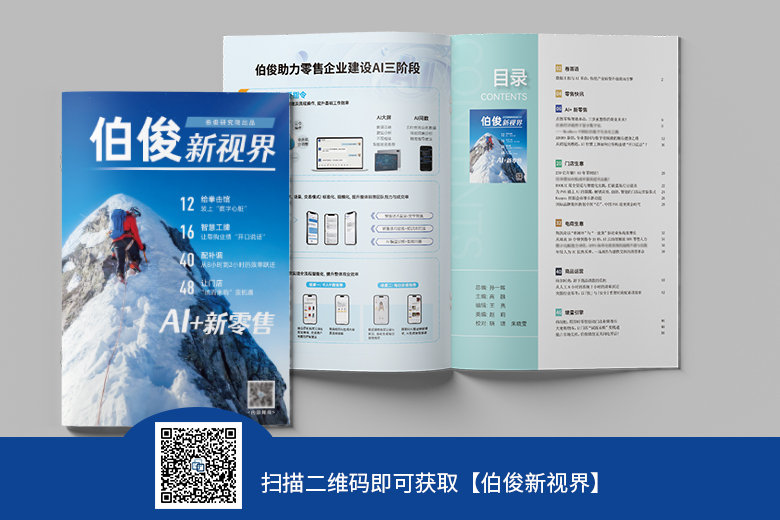
This article is included in [Burgeon New Vision], curated by Sun Yihui, Chairman of Burgeon Technology, and published by the Burgeon Research Institute. Welcome to download the full internal publication for more cutting-edge industry cases and innovative ideas.